Gloucester Road flat removals tight access solutions: a practical guide for awkward London moves
Moving out of a flat near Gloucester Road can be straightforward on paper, then suddenly feel a bit like a puzzle with missing pieces. Narrow stairwells, basement entrances, shared hallways, no lift, busy roads, and parking that seems to disappear the minute you need it most - all of that can turn a simple move into something far more complicated. That is where Gloucester Road flat removals tight access solutions come in.
This guide explains how tight-access removals work, what to plan for, and how to reduce stress on moving day. If you are dealing with a top-floor flat, a period conversion, a mews property, or a building with awkward entry points, you will find practical advice here. And yes, there are ways to make it smoother without needing superhuman arms or a miracle on the kerb.
For a broader look at the service options available locally, you may also want to explore flat removals in South Kensington, man and van support, and the company's services overview.
Table of Contents
- Why Gloucester Road flat removals tight access solutions Matters
- How Gloucester Road flat removals tight access solutions Works
- Key Benefits and Practical Advantages
- Who This Is For and When It Makes Sense
- Step-by-Step Guidance
- Expert Tips for Better Results
- Common Mistakes to Avoid
- Tools, Resources and Recommendations
- Law, Compliance, Standards, or Best Practice
- Options, Methods, or Comparison Table
- Case Study or Real-World Example
- Practical Checklist
- Conclusion
- Frequently Asked Questions
Why Gloucester Road flat removals tight access solutions Matters
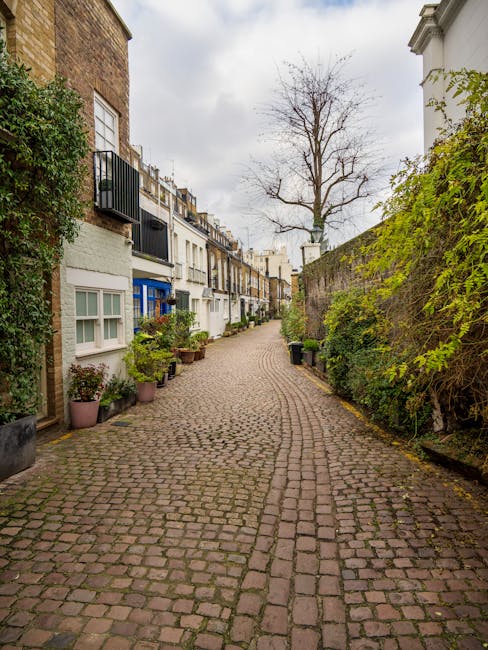
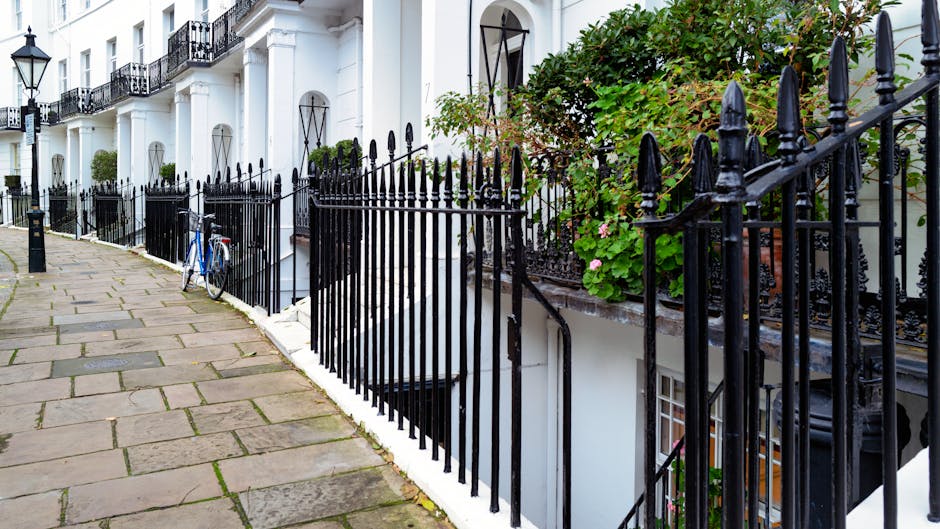
Gloucester Road sits in a part of London where a lot of homes were not designed around modern removal lorries, large wardrobes, or a sofa that arrived in one piece and now needs to leave in one piece. That is the reality. Many flats in the area have narrow staircases, shared entrances, tight corners, and limited street space outside. Some are in handsome older buildings; lovely to live in, but not always kind to bulky furniture.
Tight access matters because removals are not just about lifting things. They are about sequencing, positioning, timing, and protecting the building as well as the contents. One poorly planned move can lead to scratched walls, blocked corridors, unhappy neighbours, delayed parking, and a lot of avoidable lifting. Nobody wants that. Not on a rainy Tuesday morning, and definitely not when you are already tired from packing.
In practical terms, tight-access planning helps you:
- move items safely through narrow spaces
- reduce the risk of damage to furniture and property
- save time by avoiding last-minute improvisation
- work around parking and access limits sensibly
- choose the right vehicle, crew size, and equipment
If you are comparing services, it can help to review pricing and quotes early, so the move is costed with the access conditions in mind rather than guessed from the street map. That small bit of preparation usually pays off.
How Gloucester Road flat removals tight access solutions Works
Tight-access removals work by breaking the move down into smaller, safer steps. Instead of assuming a standard van-to-front-door transfer, the removal team plans around the actual building layout and the street conditions around it. In a Gloucester Road flat, that often means checking whether there is a lift, whether the staircase turns sharply, how far the van can legally park, and whether larger items need partial dismantling.
In our experience, the best approach starts before moving day. A mover will usually ask about access details such as:
- floor level and lift availability
- door widths and stair dimensions
- parking restrictions or permit requirements
- loading bay access, if any
- items that are especially heavy, fragile, or awkward
- whether the move is shared with other residents or a concierge team
From there, the solution may involve a smaller vehicle, a shuttle run from a wider loading point, extra porters, furniture dismantling, protective wrapping, or a more staggered loading plan. For some moves, a man with a van service is enough. For others, a fuller team and a dedicated removal van arrangement makes more sense.
There is no magic trick, really. It is just good logistics. A measured move tends to feel calmer, and calmer moves tend to go better. Funny how that works.
Key Benefits and Practical Advantages
The biggest advantage of a tight-access removal solution is simple: it reduces friction. That sounds a bit corporate, but it is true. When a move is designed around the actual conditions of the building, everything becomes easier to manage.
Here are the practical benefits that matter most:
- Less risk of damage: Items are handled with the route in mind, so large furniture is less likely to scrape on bannisters or walls.
- Better timing: A proper plan avoids repeated stops, awkward repositioning, and wasted energy.
- Lower stress: You are not guessing on the day. You already know what is likely to be difficult.
- Cleaner building etiquette: Shared hallways and entrances stay tidier when protection is in place.
- More realistic costs: When access is understood early, quotes are more accurate and there are fewer surprises later.
There is also a subtler benefit: confidence. People often feel more relaxed when they know the removal team has dealt with awkward flats before. That matters when you are handing over the contents of your home, including the lamp that always topples over and the chair no one wants to admit is a bit wobbly.
For people moving larger or delicate items, related services such as furniture removals and piano removals can be especially useful because they focus on handling, protection, and route planning rather than just transport.
Who This Is For and When It Makes Sense
This kind of service is not only for people with grand pianos and antique wardrobes. To be fair, it is often most useful for everyday flat moves where access is just a bit awkward. If your home has one or more of the following, you are in the right territory:
- a narrow staircase or split-level layout
- no lift, or a lift too small for larger items
- shared hallways with limited turning room
- permit-only parking or restricted stopping time
- a basement flat with steps down from street level
- a top-floor flat in a period conversion
- a move that needs to be completed quickly, perhaps on a tight lease handover
It also makes sense for:
- tenants who need a clean handover and a stress-free exit
- owners moving from a character flat with awkward access
- students or young professionals with smaller moves but tricky buildings
- families leaving a flat full of mixed furniture, boxes, and awkward bits and pieces
If you are still deciding between a dedicated flat move and a broader move package, the page for house removals can help you compare the scope of each service. And if you are moving under time pressure, a same-day removals option may be relevant, provided access details are clear enough to act on quickly.
Step-by-Step Guidance
If you want Gloucester Road flat removals tight access solutions to run smoothly, treat the move like a short project. Not a drama. A project. That shift in mindset helps a lot.
- Assess the building access. Measure stair widths, identify tight corners, check whether the lift is usable, and note any entry codes or concierge procedures.
- List difficult items. Sofas, bed frames, wardrobes, glass tables, mattresses, white goods, and anything unusually heavy should be singled out early.
- Choose the right vehicle strategy. A larger van is not always better on a tight London street. Sometimes a smaller vehicle or shuttle plan is the smarter choice.
- Decide what should be dismantled. Removing bed frames, table legs, or wardrobe doors can save time and reduce damage risk.
- Protect the route. Floor coverings, door guards, and corner protection are worth using when hallways are narrow or the building has delicate finishes.
- Coordinate parking and timing. Busy roads near Gloucester Road need careful timing. Early arrival is often helpful, but only if parking and loading are practical.
- Load in a sensible order. Heavier items first, fragile items secure, and frequently needed boxes placed where they can be reached easily on arrival.
- Do a final sweep. Check cupboards, balconies, utility spaces, and behind doors. The usual hiding places, basically.
A good move often comes down to one thing: reducing the number of unknowns. If the team knows the access challenge before the van arrives, the whole process becomes much more predictable.
Expert Tips for Better Results
Here is the part people often skip. They think the hard work is the lifting, but the real advantage usually comes from planning the awkward parts properly.
First tip: measure before you guess. A sofa that looks fine in the lounge can suddenly seem enormous on a narrow landing. Measure the widest points of the item and the tightest points of the route. It sounds obvious. Then again, moving day is where obvious things go missing.
Second tip: think vertically as well as horizontally. Many flats near Gloucester Road have staircases that twist or rise sharply. You need enough room to tilt items safely, not just enough floor width.
Third tip: pack by access, not just by room. Keep the items most likely to be needed first near the exit. That helps on a move where the van can only remain in place for a short window.
Fourth tip: protect shared spaces properly. If the building has communal corridors or polished floors, using covers and protective wraps is not overkill. It is considerate. Neighbours notice these things.
Fifth tip: ask about storage if timing is messy. Sometimes completion dates, tenancy dates, and access slots do not line up neatly. Short-term storage in South Kensington can be the practical bridge between one property and the next.
Sixth tip: do not leave packing too late. If you need boxes, tape, and protective materials, arrange them before the last evening. If you want a more structured approach, the page on packing and boxes is a sensible place to start.
And one more thing: if the access looks borderline, say so early. A reliable team would rather hear about the awkward bit on Monday than discover it at the kerb on Friday.
Common Mistakes to Avoid
A lot of tight-access problems are preventable. Not all of them, but enough. Here are the mistakes that cause the most friction.
- Underestimating the access challenge. "It should be fine" is not a plan. It is a hope.
- Booking the wrong size vehicle. Too big can be as problematic as too small in a constrained street.
- Failing to mention stairs, lifts, or turns. Even one forgotten detail can change the whole setup.
- Leaving furniture assembled when it should be dismantled. Some items simply will not cooperate otherwise.
- Ignoring parking restrictions. A van that cannot stop near the building quickly becomes a time and labour problem.
- Not protecting the route. Minor damage to walls or bannisters can become expensive and awkward to deal with.
- Assuming all removal companies handle tight access equally well. They do not. Some are much better at this kind of move than others.
Truth be told, most bad moving experiences do not come from one giant failure. They come from three or four small oversights stacking up at once. The good news? That is fixable with a bit of forethought.
Tools, Resources and Recommendations
You do not need specialist kit for every move, but the right tools make awkward access much easier to handle. A sensible team will usually consider items such as:
- furniture blankets and protective wrap
- stair trolleys or sack trucks where suitable
- door and corner protectors
- tool kits for safe dismantling and reassembly
- straps and load restraints for the van
- labels for boxes and priority items
When planning a move, it can also help to look at the company's published prices and then request a tailored quote. That gives you a practical starting point without pretending every flat in Gloucester Road is the same. They are not, clearly.
For readers who want broader reassurance around business standards, support pages such as insurance and safety and health and safety policy are useful because they show how care and risk management are handled in practice. If you are just getting to know the company behind the move, the about us page is also worth a look.
Law, Compliance, Standards, or Best Practice
Most flat removals are not legally complicated for the customer, but there are still sensible standards and local considerations to keep in mind. In London, access often means thinking about parking restrictions, loading rules, concierge requirements, building management instructions, and neighbour courtesy. The exact rules vary by street and property, so it is best not to assume a standard arrangement will work everywhere.
From a best-practice point of view, a good removal operation should aim to:
- work safely in shared spaces
- avoid blocking entrances, exits, or communal access routes
- protect floors and fixtures where reasonable
- handle goods with care and suitable equipment
- communicate clearly about timings and limitations
If a building has a managing agent or concierge, it is wise to check their move-in or move-out requirements before the day itself. Some properties prefer pre-booked lift times, protective coverings, or specific arrival windows. A straightforward call or email can save a headache later. Simple, but effective.
It is also sensible to confirm the provider's terms, payment methods, and cancellation conditions ahead of time. For that, the pages on terms and conditions and payment and security help set expectations in a clear way.
Options, Methods, or Comparison Table
Different access situations need different methods. The right solution depends on the building layout, the size of the load, and how much time you have. Here is a simple comparison to help you think it through.
| Method | Best for | Advantages | Possible limitations |
|---|---|---|---|
| Man and van | Smaller flat moves, light-to-medium loads, flexible routes | More agile on tight streets, often efficient for compact moves | May not suit very large or highly complex relocations |
| Dedicated removal van | Moderate to larger flat moves with planned access | Better capacity and structured loading | Requires good parking and access planning |
| Shuttle or split-load method | Restricted streets or locations where a large van cannot sit outside | Practical when direct access is impossible | Can take longer and may need extra handling |
| Storage-first move | When dates do not align or access is temporarily limited | Reduces pressure when completion dates shift | Requires additional planning and storage costs |
If you are not sure which method fits, a conversation with an experienced removal company is usually the best next step. The right crew will ask practical questions, not just sell you the biggest vehicle they have.
Case Study or Real-World Example
Picture a typical Gloucester Road flat: third floor, no lift, a narrow stairwell with a turn halfway up, and a street where parking is usually tight by late morning. The move includes a bed frame, a small sofa, two bookcases, a dining table, and about twenty boxes. Nothing outrageous. Just enough to make access matter.
A rushed approach would be to send a standard team, park wherever possible, and hope the stairs cooperate. That is rarely a brilliant idea. A better plan would be to:
- confirm the stair measurements in advance
- dismantle the bed frame and remove table legs
- wrap the sofa and bookcases for safe movement
- arrive during a practical loading window
- use two people inside the building and one managing the van and load flow
What changes with this approach? Pace. The move becomes more controlled, the staircase is less of a bottleneck, and the likelihood of damage drops. It is not glamorous, but it works.
That is the quiet truth of tight-access removals: the best solution often looks boring from the outside. And boring, on moving day, is underrated.
Practical Checklist
Use this checklist before you book or on the run-up to moving day.
- Measure the widest furniture items and the narrowest access points
- Confirm whether the flat has a lift and whether it is usable for removals
- Check stair turns, landings, and any low ceilings or awkward corners
- Review street parking, loading restrictions, and permit requirements
- Tell the removal team about fragile, heavy, or oversized items
- Decide what should be dismantled before the move
- Arrange boxes, tape, labels, and wrapping materials early
- Warn building management or neighbours if required
- Keep essential items separate: keys, documents, chargers, kettle, toiletries
- Confirm timing, payment, and contact details the day before
Practical summary: the smoother the information flow before the move, the easier the access problem becomes. A few clear measurements and a realistic plan often make the difference between a calm move and a messy one.
Conclusion
Gloucester Road flat removals tight access solutions are really about turning an awkward property into a manageable move. With the right planning, careful handling, and a removal team that understands London's quirks, even a narrow staircase or difficult parking situation can be handled without the whole day falling apart.
If your flat has tight corridors, no lift, or tricky street access, do not wait until the last minute to sort it out. Start with measurements, be honest about the layout, and choose a service that understands how to work in real-world conditions. That is how you protect your belongings, your time, and your sanity. A fairly good trio, that.
Get a free quote today and see how much you can save.
And if you are still weighing things up, the calmest move is usually the one planned with a bit of care, a bit of patience, and a team that knows the neighbourhood well.
Frequently Asked Questions
What are Gloucester Road flat removals tight access solutions?
They are removal methods designed for flats with narrow stairs, limited parking, small lifts, awkward entrances, or other access challenges common around Gloucester Road. The goal is to move belongings safely and efficiently without forcing a standard setup that does not fit.
Do I need a specialist service for a flat with no lift?
Often, yes. A no-lift move is usually manageable, but it benefits from proper planning, extra handling care, and the right team size. If your furniture is heavy or bulky, it is worth booking a service that regularly works with stair-only access.
How do removal companies handle narrow staircases?
They may dismantle furniture, use protective coverings, adjust team positioning, and carry items in a controlled order. Sometimes they will ask for measurements before moving day so they can plan the safest route through the building.
Can a sofa or wardrobe be moved through a tight hallway?
Sometimes yes, sometimes no. It depends on the item's dimensions, whether it can be dismantled, and how sharp the turns are. A quick measurement in advance is far better than discovering the problem halfway down the stairs.
Is a man and van enough for tight access removals?
For smaller loads, it can be. For larger flats or more difficult buildings, you may need a fuller removal team, more equipment, or a shuttle arrangement. The best choice depends on the actual layout, not just the amount of furniture.
How far in advance should I book a Gloucester Road flat move?
As early as possible if your property has access issues, especially if you need parking coordination or a specific time window. Tight-access moves benefit from careful planning, and that is easier when you are not rushing.
What should I tell the removals team before moving day?
Tell them about stairs, lifts, access codes, parking restrictions, oversized furniture, fragile items, and any building rules. The more complete the picture, the easier it is to quote accurately and plan the right approach.
Will I need to dismantle furniture before the move?
Possibly. Beds, tables, wardrobes, and some shelving units often move more safely when partially dismantled. If you are unsure, ask the team which items should be taken apart before collection.
What if parking is impossible right outside my building?
That is common in parts of London. The team may use a nearby legal loading spot, a smaller van, or a shuttle method from a more practical location. It is not ideal, but it is very manageable with the right plan.
How do I keep my building protected during the move?
Use floor coverings, door guards, and corner protection where appropriate, and make sure the team moves carefully through communal areas. A considerate approach matters, especially in shared buildings where neighbours will notice any scuffs or blocked access.
Can I combine storage with a tight-access flat removal?
Yes, and it can be a very sensible option if move dates are not lining up or if your new property is not ready. Short-term storage can remove pressure and give you more control over the timing.
How do I get an accurate quote for a difficult flat move?
Give as much detail as possible about the property layout, access limitations, furniture size, and parking conditions. For a useful starting point, review the company's pricing information and then request a tailored quote based on your exact situation.
What is the safest way to prepare for moving day?
Measure access points, pack early, separate essential items, and share every important detail with the removals team. A calm, practical setup almost always beats a last-minute scramble.
Where can I learn more about the company and its standards?
You can read more on the about us page, along with the company's health and safety policy, insurance and safety information, and terms and conditions.