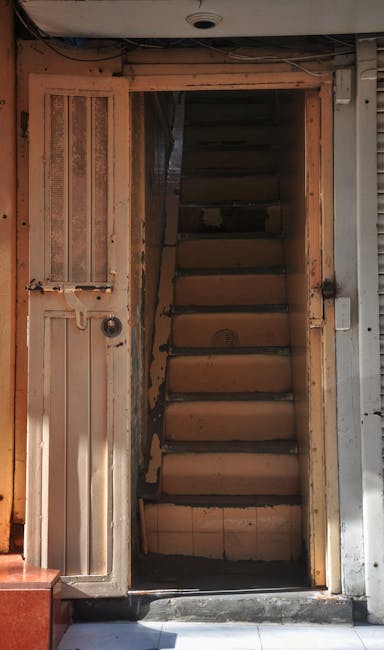
South Kensington removals narrow staircases common problems: what really goes wrong and how to handle it
If you have ever tried to move a sofa, mattress, wardrobe, or piano through a South Kensington townhouse or mansion-block staircase, you already know the issue: the route is often tighter than the furniture itself. That is the heart of South Kensington removals narrow staircases common problems. It is not just an inconvenience. It affects timing, labour, risk of damage, parking plans, and even what you can realistically move without taking something apart.
In practice, narrow staircases tend to turn a straightforward move into a small puzzle. Corners are awkward, bannisters get in the way, ceilings feel a bit too low, and a piece that looked fine in the living room suddenly refuses to turn. This guide breaks down the most common problems, how professionals work around them, and what you can do before moving day to avoid the usual headaches.
Why South Kensington removals narrow staircases common problems Matters
South Kensington has a lot of elegant period homes, converted flats, and upper-floor apartments. Charming? Absolutely. Easy to move into? Not always. The staircases in these buildings can be steep, winding, narrow, or boxed in by handrails and tight landings. That layout creates a very specific set of removal problems, and they are more common here than many people expect.
Why does it matter so much? Because the staircase is often the bottleneck. You can have the right vehicle, the right crew, and the right parking bay, but if a wardrobe cannot make the bend at the half landing, the whole schedule slows down. Sometimes the difference is a ten-minute adjustment. Sometimes it is a full rethink of the access plan. Bit of a headache, frankly.
The main issue is not just physical size. It is geometry. A bulky item may be technically small enough in width, but still impossible to tilt, twist, or carry safely around a sharp turn. Add polished wood, fresh paint, or a shared stairwell with limited turning room, and the risk of scuffing rises quickly. That is why experienced teams look at access before they look at the van.
If you are comparing moving support, it can help to start with a broader look at the available removal services and then narrow down to the right fit for your property type. For flats especially, a dedicated flat removals South Kensington approach often makes the process much smoother.
How South Kensington removals narrow staircases common problems Works
A good narrow-staircase move starts long before anyone lifts a box. The crew will usually want to know the layout of the property, the number of floors, the width of landings, whether the stairwell turns sharply, and whether large furniture can be disassembled. That sounds obvious, but you would be surprised how many moves begin with a hopeful "it should fit" and end with a measured sigh.
Here is the basic process:
- Access is assessed. The mover checks stair width, turning points, ceiling height, door frames, and any other tight spots.
- Items are prioritised. Large or fragile pieces are listed first, because they often determine the rest of the move.
- Protection is prepared. Covers, blankets, straps, and corner protection help reduce damage to both furniture and the building.
- Disassembly is planned. Beds, wardrobes, desks, and some sofas may need partial dismantling.
- The lifting route is chosen. Sometimes the staircase is the only route. Sometimes a window, balcony, or alternative entrance is safer, but that depends on the property and the item.
- The carry is managed in stages. The team may rotate items, pause on landings, or re-angle pieces more than once.
In the real world, the removal team is often solving the same problem three different ways at once: protecting the property, protecting the item, and keeping momentum. That is why tight-access work takes judgement as much as strength.
For example, if you have a large table to move from a first-floor flat above Gloucester Road, the crew may measure the diagonal carry route rather than just the table width. That kind of detail is exactly why readers often find tight-access flat removal guidance for Gloucester Road so useful.
Key Benefits and Practical Advantages
Getting narrow-staircase removals right is not only about avoiding damage. It can also save time, reduce stress, and cut down on those awkward last-minute decisions nobody wants on moving day.
- Fewer delays: When the access route is mapped properly, there is less trial and error on the day.
- Less damage risk: Both your furniture and the building are better protected.
- Smarter packing: You can pack with the staircase in mind, not just the room it is leaving.
- Better crew allocation: The right number of people can be assigned from the start.
- More accurate quotes: Access difficulties are one of the main things that can affect price and timing.
There is also a more subtle benefit: confidence. When you know a bulky chest of drawers has already been measured against the stairwell and discussed properly, you stop worrying about every corner. That matters more than it sounds.
If cost planning is part of your decision, take a look at pricing and quote guidance and compare it with the current price information. Access issues can change the shape of a move, so it helps to understand the likely scope early on.
Who This Is For and When It Makes Sense
This topic matters to a few different groups, not just people moving out of a classic South Kensington flat. If you are in any of these situations, the staircase question deserves your attention:
- Flat movers: Especially if you are on the top floor or in a converted property with a narrow internal stairwell.
- House movers: Some South Kensington houses have steep stairs and awkward landings that catch out large furniture.
- Students: Smaller budgets often mean more self-packing, which can go wrong if boxes are too heavy for the stairs. It happens.
- Office movers: Desks, chairs, filing cabinets, and IT equipment can become surprisingly awkward in narrow residential-style access.
- Piano owners: Staircases and upright pianos rarely get on well without specialised handling.
If you are living in a period property, are moving during a busy part of the week, or have oversized furniture, this is especially worth thinking through. The same applies if you are moving in or out near transport-heavy streets where timing and parking are already a bit constrained. A helpful starting point is the broader removals South Kensington overview, then you can tailor the plan to your building.
Truth be told, the stair problem often decides whether someone needs a van-plus-crew setup, a specialised handling team, or even temporary storage while they rethink certain items. Not glamorous, but practical.
Step-by-Step Guidance
If you are preparing for a move with narrow stairs, follow a methodical process. It sounds a little over-organised, but on moving day you will be glad you did.
1. Measure the awkward bits first
Do not stop at the staircase width. Measure the narrowest point, the tightest turn, the landing space, and the height of any low ceiling sections. A tape measure is fine, but a careful visual check matters too. Sometimes the issue is not the numbers; it is the angle.
2. Identify furniture that may need dismantling
Bed frames, wardrobes, dining tables, and shelving units are common candidates. A lot of furniture can be taken apart more easily than people think, which is why choosing the right furniture removals support can save time and reduce damage.
3. Pack with the route in mind
Heavy boxes make narrow stairs harder, and fragile boxes become risky on turns. Keep stair-carry boxes manageable and label anything awkward. If you are unsure, use fewer heavy boxes and more smaller ones. Your back will thank you later.
4. Clear the staircase and the landing areas
Take up loose rugs, remove wall art where practical, and keep coats, shoes, or baskets out of the path. Even a small obstruction can disrupt the rhythm of a carry.
5. Confirm parking and unloading access
In South Kensington, parking and street access can make the whole day feel tighter. If the van cannot stop sensibly, the team may need longer carry distances, which adds pressure. For local parking concerns, this parking advice for South Kensington house removals is a useful reference point.
6. Use the right moving method
Sometimes the solution is simply more hands. Sometimes it is straps, sliders, a dolly, or careful furniture rotation. In a few cases, a same-day response helps when timing has gone sideways. If the move is urgent, same-day removals in South Kensington may be worth exploring.
7. Re-check fragile or valuable items
Mirrors, glass tables, artwork, and electronics need extra attention. If something is especially valuable or delicate, it may deserve its own packing method or dedicated handling plan.
Expert Tips for Better Results
Experienced movers tend to think in terms of friction points. Not just physical friction, but the places where the job slows down. If you can reduce those, the whole move feels easier.
- Keep one corridor of movement clear. It sounds basic, but it helps the whole crew stay in flow.
- Use protective wraps on corners and rails. South Kensington staircases often have decorative finishes that scratch too easily.
- Pre-pack by floor. Keep first-floor, second-floor, and loft items separate if possible.
- Label furniture hardware in small bags. This saves time during reassembly. Little detail, big payoff.
- Ask for a pre-move access check. A quick visual review can prevent a lot of guesswork.
- Be honest about the awkward stuff. Oversized mirrors, American-style fridge-freezers, and chunky sofas are exactly the things that need planning.
A small but useful tip: if a piece of furniture is barely making sense on paper, it probably will not magically improve on the stairs. Better to solve it in advance than to have three people standing in a landing wondering who planned this. Happens more than anyone admits.
If you are comparing different ways to move, the man and van South Kensington option can suit smaller loads, while a larger job may need a fuller setup. For a broad look at what is available, removal services in South Kensington can be a useful starting point.
Common Mistakes to Avoid
A lot of staircase problems are avoidable. The issue is usually not bad luck. It is bad planning, or planning that stops a bit too early.
- Measuring only the room, not the route: A sofa can fit in the lounge but still fail on the stairs.
- Ignoring turning space: The landing may be the real problem, not the staircase itself.
- Overfilling boxes: Heavy boxes and steep stairs are a poor match.
- Assuming every item can be carried upright: Sometimes a piece must be rotated, angled, or dismantled.
- Forgetting building protection: Marks on walls and railings can be expensive and stressful to sort out.
- Leaving access questions until the morning of the move: That is when small issues turn into bigger ones.
Another common mistake is treating narrow stairs as an afterthought because "the movers will sort it." To be fair, good movers do sort a lot. But they work best when they are not discovering the tight turn for the first time while holding a wardrobe at a bad angle.
If you want to understand how access issues affect pricing and planning, the most relevant place to start is this guide to hidden charges in South Kensington removals. It helps you spot where the extra effort often shows up.
Tools, Resources and Recommendations
You do not need a warehouse full of kit to manage narrow stairs properly, but the right tools make a real difference. Here are the usual essentials and when they help:
| Tool or resource | What it helps with | Best for |
|---|---|---|
| Furniture blankets and covers | Protecting edges, finishes, and stairwell walls | Almost every move |
| Straps and lifting aids | Improving control on turns and landings | Heavy or awkward items |
| Measuring tape | Checking widths, heights, and turning points | Pre-move planning |
| Disassembly toolkit | Taking apart beds, frames, tables, and some wardrobes | Bulky furniture |
| Storage option | Keeping items safe if access or timing needs a pause | Staged moves |
For people who are still finalising the move, storage can be a sensible pressure release valve. If a piece is not worth forcing up a dangerous staircase, it may be better to use storage in South Kensington while you sort the rest of the property access.
And if you need boxes and wrapping materials before the move, packing and boxes support can help you get organised without turning the kitchen into a cardboard jungle.
Law, Compliance, Standards, or Best Practice
Most staircase-related removal issues are practical rather than legal, but there are still important standards and best-practice expectations to keep in mind. In the UK, movers should work carefully to avoid damage, act safely around residents, and manage heavy lifting sensibly. That includes planning the route, using appropriate equipment, and not taking unnecessary risks just to save a few minutes.
If you live in a block or managed property, there may also be building rules about moving times, lift use, shared hallways, or protecting common areas. These are not usually complicated, but they matter. A quick check with the property manager before moving day can save you from awkward conversations downstairs at 8:00 in the morning.
Health and safety is another core point. Heavy lifting on narrow stairs is one of those jobs where caution is not optional. Good practice usually includes:
- keeping walkways clear
- using enough people for the load
- avoiding rushed turns on landings
- protecting floors, walls, and bannisters
- stopping when a lift is no longer safe or sensible
If you want to know more about how a mover approaches safety and responsibility, health and safety policy information and insurance and safety guidance are worth reviewing. It is the unglamorous side of removals, but honestly, it is one of the most important.
There is also an ethical side to choosing providers. Clear terms, transparent charges, and respectful working practices matter in any moving job. If you like to understand the people behind the service, about the company is a useful page to read before making a final decision.
Options, Methods, or Comparison Table
There is no single right answer for every narrow-staircase move. The best method depends on the property, the furniture, and how much time you have. Here is a practical comparison.
| Method | Best for | Pros | Watch out for |
|---|---|---|---|
| Standard carry-up-the-stairs move | Light to medium items, straightforward access | Simple, direct, often quickest | Fails when turns are too tight |
| Disassembled move | Beds, wardrobes, desks, larger flat-pack pieces | Makes awkward items manageable | Needs time, tools, and careful reassembly |
| Specialist handling | Pianos, antiques, fragile or oversized furniture | Better control and lower damage risk | Usually requires more planning |
| Staged move with storage | Complex access, timing gaps, or partial moves | Reduces pressure on the day | Extra coordination needed |
| Smaller vehicle with crew | Compact loads and tight streets | More flexible in restricted access areas | Not suitable for large households |
If you are moving a smaller load, a man with a van in South Kensington setup can be the right fit. For heavier or more fragile items, especially where the staircase is the main obstacle, specialist piano removals show the kind of methodical handling that narrow access often requires.
Case Study or Real-World Example
Picture a second-floor flat in South Kensington with a narrow painted staircase, a sharp turn at the half landing, and a sofa that looked perfectly ordinary in the showroom. On paper, everything seems manageable. On the stairs? Not quite.
The team measures the sofa, then checks the route. The sofa will not take the turn upright. It will not take the turn flat either. So the crew removes the feet, protects the walls, shifts the carry angle, and rotates the frame at the landing in a controlled sequence. One person guides the front, one supports the middle, and another keeps an eye on the rail and the opposite wall. No drama, no bumping, just slow and steady movement.
Now imagine if that same sofa had been moved without planning. The result would likely be noise, frustration, and maybe a damaged edge or scraped wall. That is the difference access planning makes. It does not always make the move easy, but it makes it manageable. And manageable is a very good place to be on moving day.
This is also why local knowledge matters. Movers who regularly handle house removals in South Kensington tend to spot the warning signs faster, especially in older properties where access quirks are part of the building rather than the exception.
Practical Checklist
Use this checklist before moving day. It is simple, but it catches a lot.
- Measure the staircase width and the tightest turn.
- Check door frames, landings, and low ceilings.
- List every oversized item before packing starts.
- Decide which furniture can be dismantled.
- Keep stair-carry boxes small enough to handle safely.
- Protect walls, corners, and bannisters.
- Confirm parking, access, and unloading arrangements.
- Tell the movers about anything fragile, heavy, or unusually shaped.
- Set aside tools, hardware bags, and assembly instructions.
- Arrange storage if a piece is too awkward to move safely in one go.
If you are moving a student flat, the same rules apply, just with more books than you thought possible. For that sort of move, student removals in South Kensington can be a better match than trying to shoehorn everything into one frantic afternoon.
Conclusion
Narrow staircases are one of the most common and least forgiving problems in South Kensington removals. They affect what can be carried, how long the move takes, how much protection you need, and how much stress the day creates. The good news is that most of the problems are predictable. Once you measure the route, identify the awkward items, and plan for protection and access, the move becomes a lot less chaotic.
The smartest approach is usually the calm one: measure carefully, pack sensibly, choose the right moving method, and be honest about the tricky bits. It sounds simple because it is simple, really. The difficulty is in doing the simple things early enough.
And if you want the move handled with less guesswork and more local experience, take the next step now.
Get a free quote today and see how much you can save.
Frequently Asked Questions
What are the most common problems with narrow staircases in South Kensington removals?
The most common problems are awkward turns, limited landing space, low ceilings, tight bannisters, and furniture that fits in the room but not on the staircase. Damage risk also rises if items are forced rather than carefully angled or dismantled.
How do movers know if a sofa or wardrobe will fit?
They normally measure the item and compare it with the staircase width, turning space, and ceiling height. They also check whether the piece can be rotated, tilted, or taken apart. A quick visual inspection can reveal problems that measurements alone miss.
Should I dismantle furniture before a move with narrow stairs?
If a piece is large, heavy, or awkwardly shaped, dismantling often helps. Beds, wardrobes, dining tables, and shelving units are common candidates. It is usually better to take furniture apart in advance than to discover on the day that it simply will not turn.
Do narrow staircases make removals more expensive?
They can, because they may require more labour, extra time, specialist handling, or additional protection. The exact impact depends on the property, the furniture, and the level of access difficulty. A clear quote should reflect the real job rather than guesswork.
What should I tell the removal company before moving day?
Tell them about stair width, sharp turns, low ceilings, narrow doorways, bulky furniture, fragile items, parking restrictions, and any building rules. The more accurate the access information, the better the move can be planned.
Can all furniture be taken up narrow stairs?
No, not always. Some items are too large or too awkward to move safely by staircase. In those cases, disassembly, specialist handling, or temporary storage may be the better option. It is better to adapt than to force the issue.
How do I protect walls and bannisters during a move?
Movers usually use blankets, covers, and careful handling around corners and landings. You can also clear the route beforehand and remove anything loose from the stairwell. Decorative bannisters and painted walls are especially vulnerable, so protection matters.
Is a man and van service enough for a flat with narrow stairs?
Sometimes, yes, if the load is small and the furniture is manageable. For larger moves or especially awkward items, a fuller removal team is usually safer and more efficient. It depends on the exact access and the amount being moved.
What happens if the staircase is too tight on the day?
If the staircase is too tight, the team may try dismantling furniture, adjusting the carry angle, or using an alternative method where appropriate. If none of that is safe, the item may need to go into storage until a better plan is possible.
Are narrow staircases a problem for office removals too?
Yes, especially where desks, filing cabinets, monitors, or archive boxes need to pass through residential-style stairs or converted office spaces. Planning the route and separating fragile equipment makes a big difference.
How far in advance should I plan a move with tight access?
As early as you can. Even a short delay in planning can make things harder, especially in South Kensington where access, parking, and building layouts can all add complexity. A few measured checks in advance can save a lot of stress later.
What is the safest way to move heavy items down narrow stairs?
The safest way is usually with a properly planned carry, enough people, good communication, and protective equipment. Heavy items should not be rushed. If a piece feels unstable or impossible to control, it is a sign to stop and rethink the method.
Where can I compare services and costs before booking?
You can start with the removal companies South Kensington overview, then review pricing and quotes alongside the detailed price information. That gives you a clearer picture before you commit.
What if I need help outside normal moving hours?
If timing is awkward, some moves can be arranged more flexibly depending on the job and access. It is worth asking about evening or same-day options early, especially when the building or street layout leaves little room for delay.